

Extended abstract from Scand-LAS 2024
The successful introduction of an early rabbit to human habituation programme to reduce stress and aggressive behaviour
By Kévin P. Dhondt1, Tine Rudolph2, Ingrid
Ganivet1, Anaïs Leal1, Benjamin
Rabany1, Grégory Paillet1, Edward
Marsden3, Lars Friis Mikkelsen2
1
Charles River Laboratories, Research Model and Services, France
2
Charles River Laboratories, Research Models and Services -
Scandinavia, Denmark
3
Charles River Laboratories, Safety Assessment, France
Correspondence:
Kévin P. Dhondt, Charles River Laboratories, Research Models and
Services, L’Arbresle, France
Email: kevin.dhondt@crl.com
Summary
Rabbits as a species, are naturally overly sensitive to stress which is a source of concern and consideration for the use in research settings; both in terms of their interaction with humans, and in terms of the quality of the scientif- ic outcome. To reduce stress and increase animal welfare, we have introduced an early rabbit/human habituation programme during the breeding and husbandry cycle; all the way from birth to when the rabbits are transported to the users. The programme consists in a holistic approach of early and positive human-rabbit bonding. It starts from birth with an imprinting phase of human contact in the nest boxes four times per week for 4 weeks. From weaning, the habituation programme continues with weekly positive interaction by individual petting outside the cage. The effect of the habituation programme was evaluated with several clinical stress indicators observed during the acclimatization period at the users. The study was designed as a double-blinded randomized proto- col with rabbits being evaluated from four different breeding areas but with the habituation programme being implemented in one area only. After 16 months and with more than 2,400 rabbits evaluated, results showed a significant decrease in stress scores of rabbits being sourced from the area with the implemented habituation programme and with total disappearance of aggressive behaviours, such as biting, while initial stress scores were maintained for rabbits being sourced from the three other areas without the habituation programme.
Introduction
Charles River has a long and proud history of invest- ing in and embracing the components of the 3Rs principle. Overall, we enhance education and train- ing that furthers the humane care of laboratory ani- mals and advances the values of the 3Rs principle. This includes but is not limited to research, devel- opment, and testing related to best practices and fostering good health, welfare, and quality of lab- oratory animals. In addition, we support activities that increase the awareness of the ethics of humane animal care and foster alliances between organiza- tions with similar goals and finally, we fund organ- izations and projects that educate the public about biomedical research.
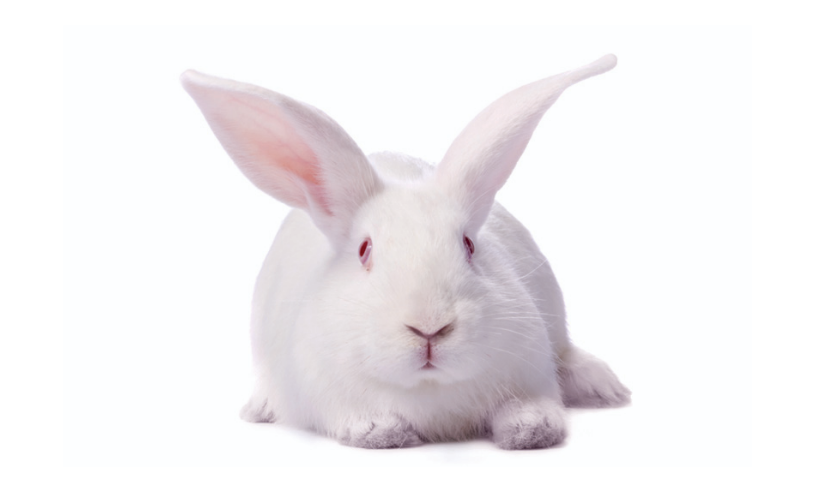 Figure 1: New Zealand White rabbit - Crl:KBL(NZW) -
part of Charles River’s Rabbit Behavioural and Enrichment Programme
in France
Figure 1: New Zealand White rabbit - Crl:KBL(NZW) -
part of Charles River’s Rabbit Behavioural and Enrichment Programme
in France
The rabbit to human habituation project
Rabbits, as a species, are naturally very sensitive to stress which is a source of complications for the work done with these animals in laboratory settings; both in terms of their interaction with humans, and regarding the quality of the scientific research results. The project started in 2020 as part of our strategic goals for animal welfare. Our objective was to make our rabbits more habituated to humans for less stress and better science. This objective also fits with our Culture of Care ambition: if rabbits feel more relaxed, it will also have a positive impact on the technicians who handle them and on the quality of science. In order to have a holistic approach for positive human-rabbit bonding to reduce stress and increase animal welfare, we designed a rabbit/human habit- uation protocol during the breeding and husbandry cycle, from birth all the way to when we transport the animals to our client’s experimental facility. The effect of this protocol was monitored with several clinical stress indicators evaluated during acclimati- sation period following delivery to the clients facility (Figure 2). The clinical stress indicators were chosen based on our previous experiences during acclima- tization and publications such as Jeffrey R. Jenkins, 2001. The clinical stress indicators were mostly scored with a yes score = 1 or a no score = 0, although moderated according to severity of the clinical signs and with the clinical stress indicators “Vocalisation”, “Need for extra hay + petting” and “Fear” with a yes score = 2 and “Bite” with a yes score = 3. The study was designed with a double-blinded randomized protocol with the rabbits evaluated coming from 4 different breeding areas but with the habituation pro- gramme implemented in only one area (ZE78). Eval- uators at the clients facility were blind with respect to which area the animals were supplied from. The first of the three habituation programme steps (Figure 3) is based on the imprinting theo- ries from Konrad Lorenz with birds. We postulated that the earlier in life we habituate our rabbit pups to human contact, the easier it will be in the future. Also, we do not change the gloves between cages to habituate them to the different odors from other litters. Each nest box is visited every day, for 10 sec- onds, with the technician gently stroking the pups from birth to weaning. The second step is reinforcement with 3 clinical examinations between Weeks 6 and 12. The clinical examination is a specific part of the acclimatisation routine and includes a physical examination and a stress assessment. In addition, it is also implemented to create bonds between the rabbits and the animal technicians before starting the habituation stage. Each examination is followed by a positive reinforce- ment of petting session. This is the first time the rabbits are manipulated outside of the cage for the habit- uation. The last step occurs between Weeks 13 and 19 with individual petting without constraint, on a weekly basis. The animal technician takes the rabbit in his arms with calmness and assurance. He holds the rabbit against the chest, then strokes it for 10 sec- onds before gently returning it back to the cage. This last step is mainly performed on females as males are not kept after 12 weeks of age and the females are usually not kept after 19 weeks (see Figure 3).
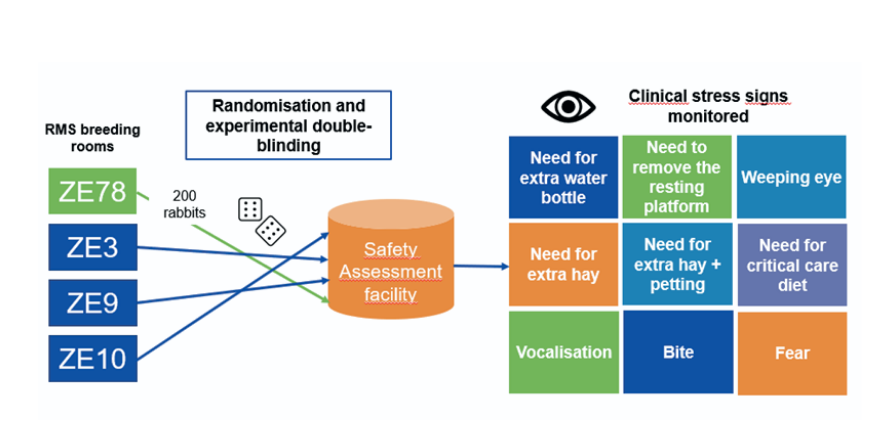 Figure 2:Randomised double-blinded study with Lyon
Safety Assessment facility.
Figure 2:Randomised double-blinded study with Lyon
Safety Assessment facility.
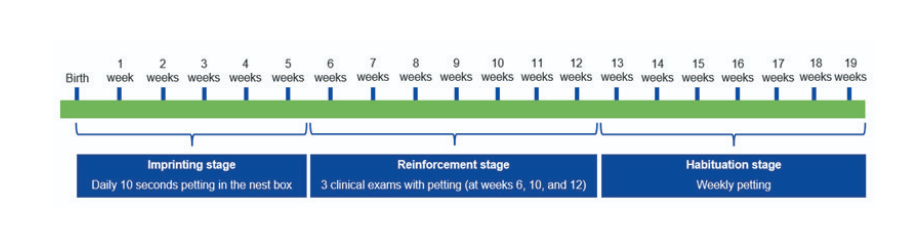 Figure 3:The three steps habituation protocol.
Results
With this study running over 16 months, we were able to demonstrate, in a double blinded randomized manner, and on a large number (≥2000) of rabbits, that our habituation protocol strongly reduced the signs of stress in the rabbits we breed (Figures 4 & 5), once they were shipped to our customers. The stress related clinical signs during acclimatization dropped by half for the habituated rabbits (Fig. 4) and the severity of the remaining scores was decreased once the habituation program was implemented (Fig. 5).
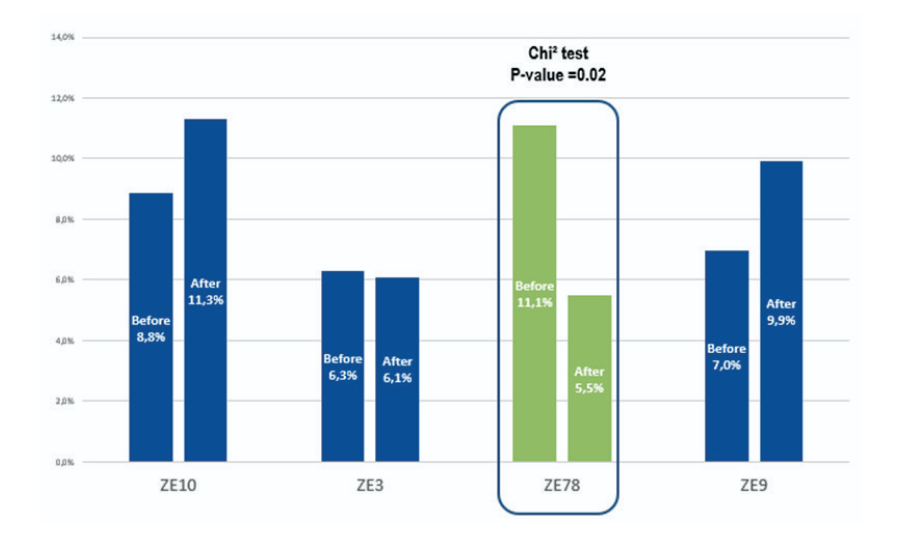 Figure 4:Clinical stress signs rates by production
area before (n = 1281) and after (n = 787) acclimatisation
programme.
Figure 4:Clinical stress signs rates by production
area before (n = 1281) and after (n = 787) acclimatisation
programme.
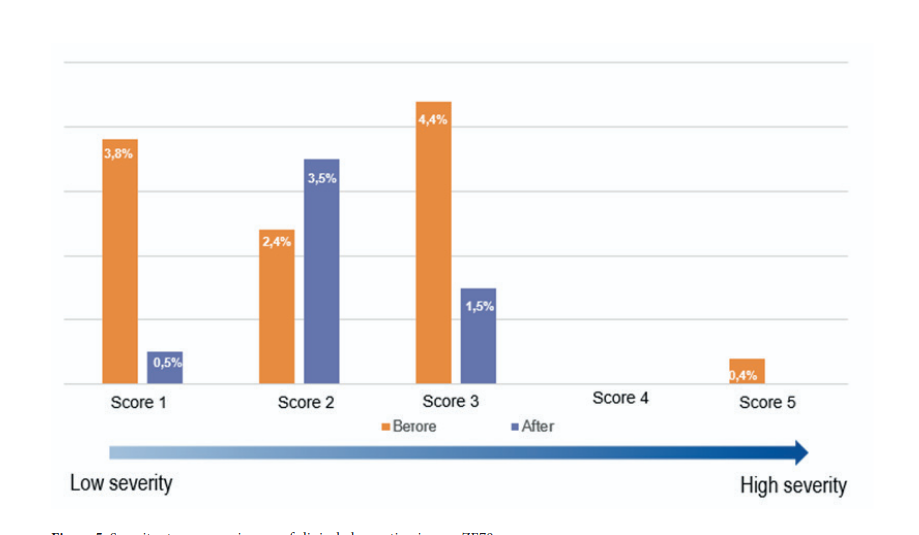 Figure 5:Severity stress scores in case of clinical
observation in area ZE78.
Figure 5:Severity stress scores in case of clinical
observation in area ZE78.
Conclusions
The impact of this habituation is quantitative but also qualitative as we were able to remove all signs associ- ated with human fear such as biting associated with aggressive behaviour and significantly reduced the severity of remaining scores. We were also informed by our client that they feel much more comfortable with the rabbits and that the number of animal wel- fare events are reduced. Due to the conclusive out- come, the programme was subsequently implement- ed in all 4 breeding areas and is now standard prac- tice at the facility.
Conflict of interest
The authors are all employees by Charles River Laboratories.
Contributions
KD, LFM and TL wrote the extended abstract. IG designed the figures. AL, BR, GP, EM, KD executed and/or coordinated the execution of the experiments. AL and KD analysed the data. KD designed the pro- gram.
References
- Charles River New Zealand White Rabbit Data Sheet https://www.criver.com/sites/default/files/resource-files/ RM-NZW-rabbit-information-sheet.pdf
- Jenkins, J.R., (2001). Rabbit Behavior. Veterinary Clinics of North America: Exotic Animal Practise. 4 (3), 669-779. https://doi.org/10.1016/S1094-9194(17)30030-0