Kataloog, mis rullib lahti eluloo
Tartu klassik Karl Morgenstern 1770–1852
DOI:
https://doi.org/10.15157/tyrtar.v14i1.27231Abstract
A catalogue that unfolds a life story: The Tartu classic Karl Morgenstern 1770–1852
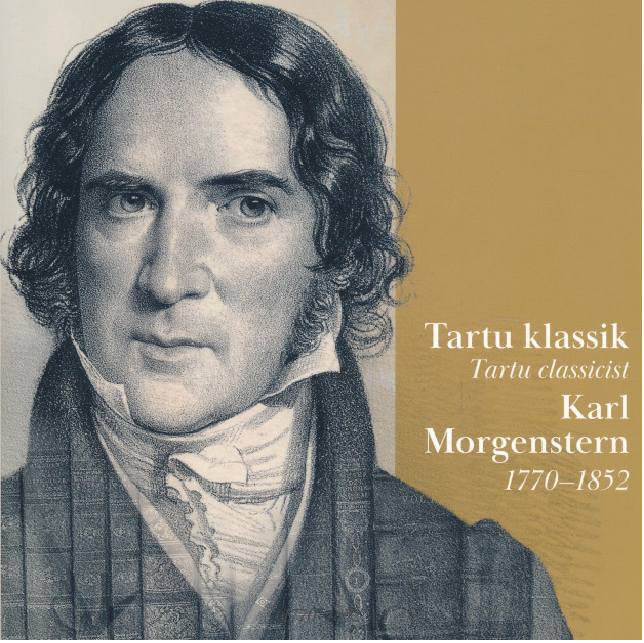
The catalogue Tartu Classic. Karl Morgenstern 1770–1852, published in 2025 by the University of Tartu Library, continues the series of events held five years earlier to mark Morgenstern’s 250th anniversary and, based on the exhibition, brings together a comprehensive overview of the life and legacy of one of the most important professors of the university. After the reopening of the University of Tartu, Karl Morgenstern was for more than 35 years one of its central figures – professor of rhetoric, classical philology, aesthetics, literary and art history, the founder of the university art museum and the long-time director of the library. His contribution directly shaped the academic face of the university and the development of the humanities.
The catalogue was compiled by experienced Morgenstern researchers Moonika Teemus, Mare Rand, Janika Päll and Malle Ermel. The bilingual publication (Estonian-English) combines the manuscripts, artworks and books shown at the exhibition, and adds a wealth of material that was not included in the exhibition due to lack of space.
The catalogue serves two purposes: to reveal the story of Morgenstern’s development from childhood to his Tartu years, and to introduce the collections related to him, now held in the University of Tartu Library. The publication is in the form of a catalogue, but it develops into a kind of biographical book, where illustrations and archival items create a living visual narrative alongside the text. The texts presented in the form of fragments do not burden the reader, but leave space for interpretations and discoveries. For people who are just starting to get acquainted with Morgenstern, the catalogue offers concise “guidelines” that lead to broader topics of cultural history – for example, the educational opportunities for women in the 18th century or the networks of art dealers and collectors of the time.
The research on Morgenstern has been going on for decades, but his legacy remains inexhaustible. The catalogue fills a gap in his life and work, but highlights the fact that the library collections still contain many more unexplored manuscripts and materials. The improved accessibility – both the digitised manuscripts and the publication of the physical catalogue – supports future research and keeps Morgenstern’s legacy alive in the context of the University of Tartu and the Estonian humanities.
Downloads